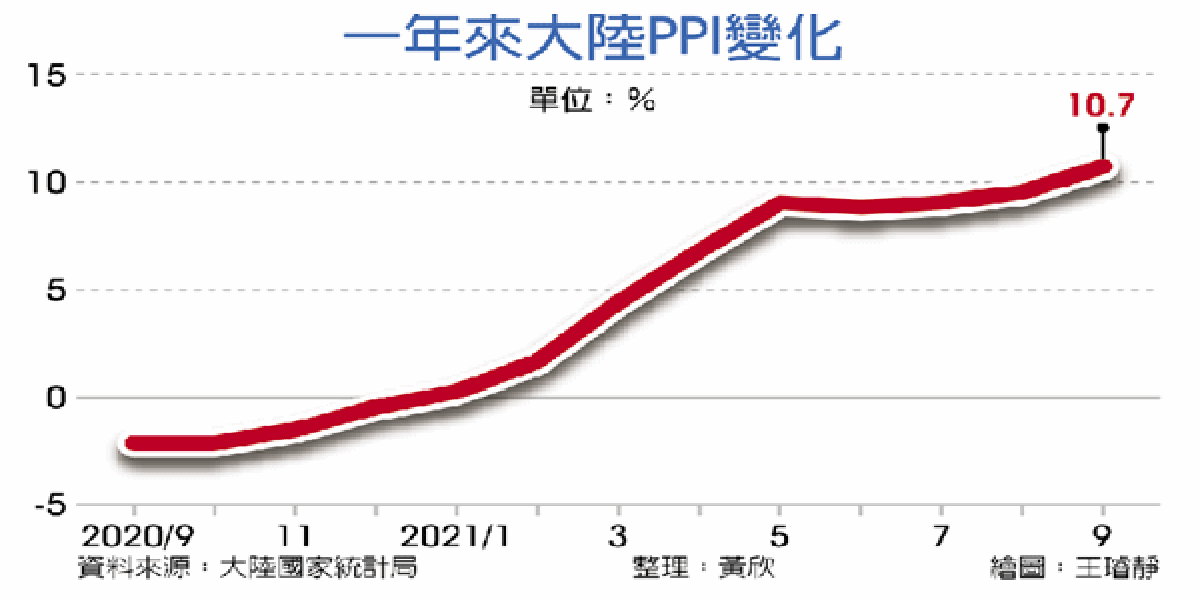
to Coal prices soared and energy consumption double control and other factors, the National Bureau of Statistics announced on the 14th September producer price index (PPI) annual growth rate increased to 10.7%, the highest since 1996 statistics.However, the weak domestic demand market, resulting in september consumer price index (CPI) annual growth rate slowed to 0.7%, a new low in nearly six months, but also make PPI, CPI annual growth rate of the scissors difference, to the largest gap in history.
Dong Liyuan, senior statistician at the Bureau of Statistics’ Urban Division, said that the price of coal and some energy-intensive industries rose in September, leading to a surge in PPI growth.
She cited the 74.9 per cent annual increase in coal mining and washing prices in September and 43.6 per cent in oil and gas extraction prices, as well as other impressive increases in chemical raw materials and non-ferrous metals, which accounted for about 80 per cent of the total PPI increase.
Also beating market expectations was the annual CPI growth rate, which fell to 0.7% in September, down 0.1 percentage points from august’s annual CPI growth rate and the lowest since March 2021. Dong pointed out that the decline in food prices is the main reason for the low annual increase in CPI, especially after the steady resumption of supply of pigs, pig prices fell month after month, pig prices in September almost year-on-year waist decline.
In addition, sporadic outbreaks coupled with the end of the summer, tourism accommodation, transportation and other consumption decreased, resulting in an annual increase in CPI in September.
Reuters quoted experts as saying the scissors gap between CPI and PPI was the largest 10 percentage points in history, indicating that manufacturers are under huge cost pressure. Production prices and consumer prices show a double whey double,making economic stagnant inflation more pronounced, but also the mainland central bank’s monetary policy into a “dilemma.”
Reported that the current market expectations for China’s fourth quarter of the decline has weakened, the central bank is expected to be more inclined to use structural targeted support tools (such as targeted medium-term lending facilities, etc.), broad credit with fiscal policy to stabilize the economy.
Mainland official securities Times pointed out that in September PPI and CPI annual growth rate of one liter, showing that industrial prices are better than consumer goods, foreign demand is better than domestic demand. On the other hand, the gap between CPI and PPI scissors continues to expand, it can be seen that the upstream raw material price increases passed to the midstream manufacturing industry, the midstream industry has not yet fully passed on the pressure of price increases downstream.